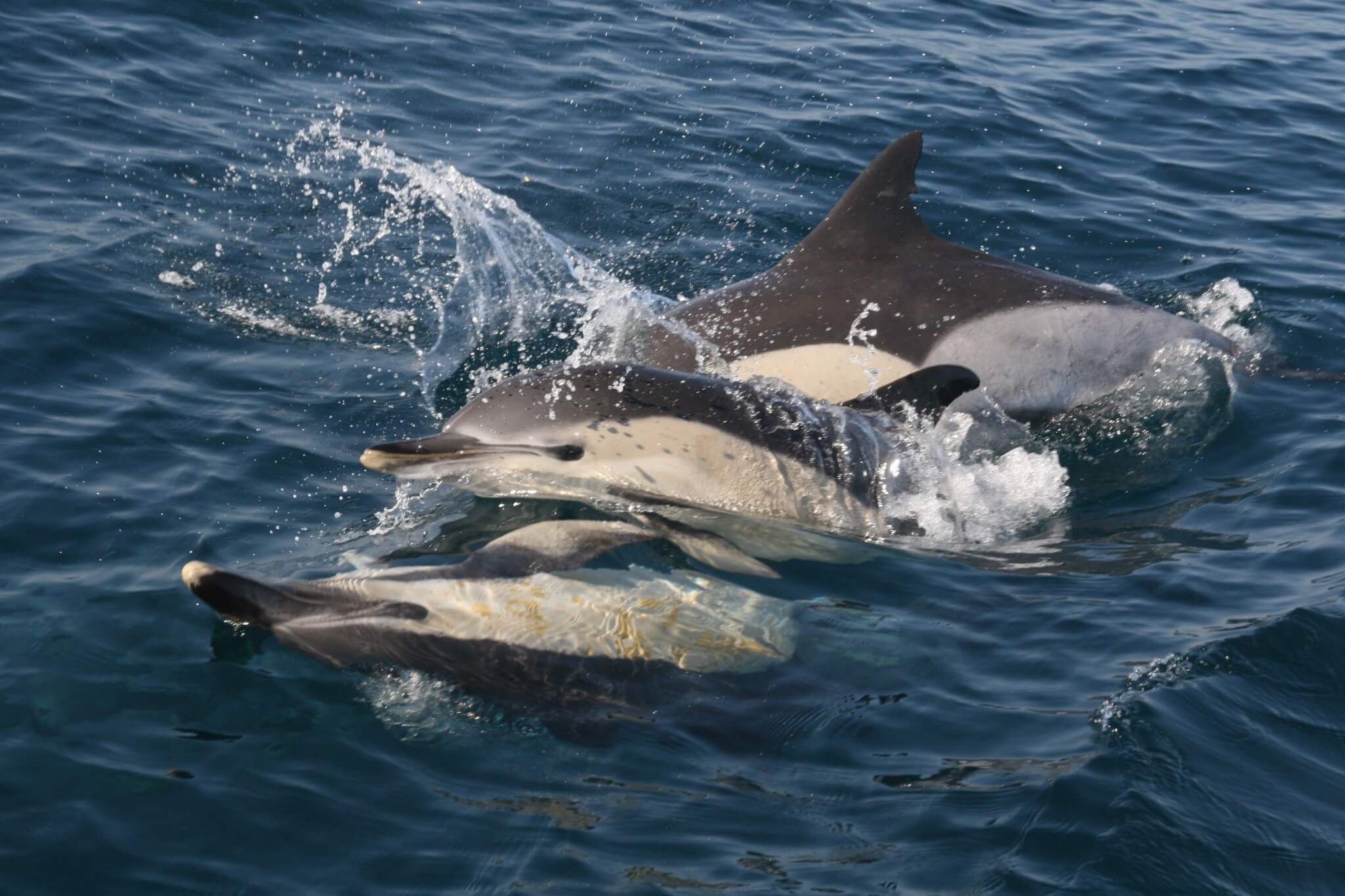
This work is, according to the researchers, the first to find the accumulation of these compounds used as plasticizers and flame retardants in dolphins. The Institute of Environmental Diagnosis and Water Studies, and the Institute of Marine Sciences, both of the CSIC, the Conservation, Research and Study Association on Cetaceans, and the Institut Català per la Recerca de l’Aigua have participated.
The organophosphorus plasticizers began to be used in the 60s of the last century. Its use increased four decades later, when they were proposed as an alternative to polybrominated diphenyl ethers, other flame retardants that were banned by the Stockholm Convention in 2009 for their toxicity. Despite being less toxic than their predecessors, there are studies that show that organophosphorus compounds can cause neurological damage, endocrine disruption, cancer and fertility problems.
 CSIC Press release – 28febrero2019_DelfinesPlastificantes
 https://doi.org/10.1016/j.envres.2019.02.027