


A study led by the Institute of Environmental Assessment and Water Research (IDAEA-CSIC) and the Institute of Agrochemistry and Food Technology (IATA-CSIC), has analysed the toxicity of compostable plastic bags, conventional plastic bags, and other recycled plastic bags in zebrafish cells. Published in the Journal of Hazardous Materials, the results show a high level of toxicity in compostable plastic bags, which increases with photodegradation: the alteration of the plastic material by ultraviolet light. Despite this being a preliminary study, with a small number of bags, these results are representative of the degradation processes.
The experiment consisted of extracting the bags to analyse the toxic compounds that could be released into the environment. The toxicity of these compounds was evaluated in three different situations: directly, from the bag samples; after a simulation of aging with ultraviolet rays; and through the tiny fragments of the bags that remained after being converted into compost. Finally, the fertilizer resulting from the composting process of the bags was analyzed.
“We were surprised that cells exposed to conventional plastic bags showed no traces of toxicity. However, we did detect it in the biodegradable ones, which decreased the viability of the cells,” explains Cinta Porte, lead author of the study and researcher at the IDAEA-CSIC.
The authors’ main hypothesis is that plastic manufacturers add chemical additives to biodegradable bags, and these plastic additives could be especially toxic. In addition, recycled plastic bags also showed higher levels of toxicity than conventional ones, probably because plastic additives would also be added for reuse.
The researchers urge further research into the toxicity detected in biodegradable bags. In addition, they insist on the need to take measures to regulate the plastic additives that are added to these bags.
Nota de prensa (ESP)
Nota de premsa (CAT)
Wang, T., Hosseinzadeh, M., Cuccagna, A., Alakenova, R., Casademunt, P., Reyes Rovatti, A., López Rubio, A., Porte, Cinta. Comparative toxicity of conventional versus compostable plastic consumer products: An in-vitro assessment. Journal of Hazardous Materials (2023). DOI: 10.1016/j.jhazmat.2023.132123
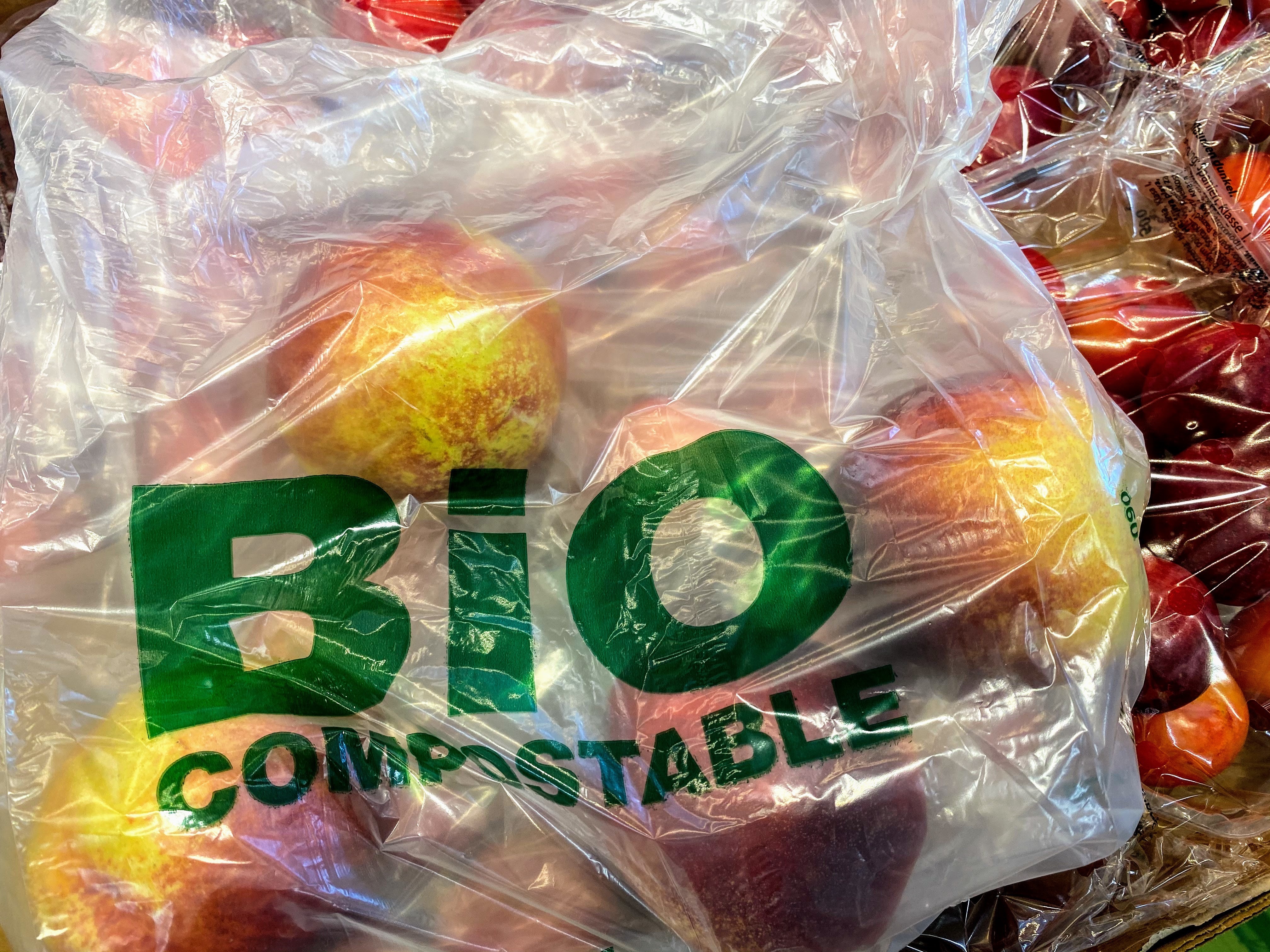
The photodegradation and composting process increases the toxicity of plastics. Source: Unsplash